Useful Thrust at Low Vessel Speeds
The pump jet architecture is suited to working conditions where controlled thrust and vessel response are more important than maximum transit speed.
Pump Jet Systems
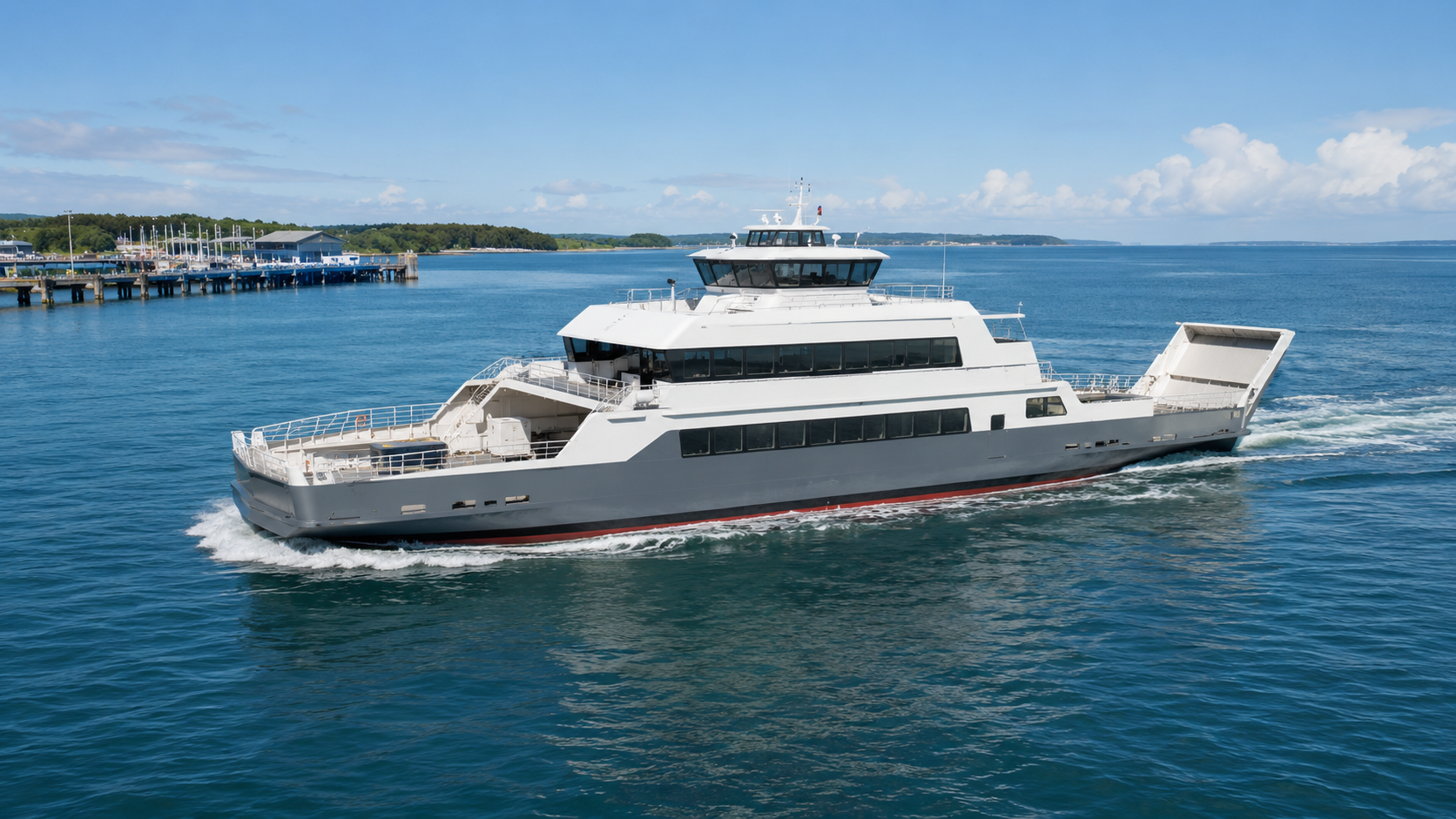
YKSN Marine Pump Jet Systems provide an integrated propulsion concept for vehicle ferries, passenger and vehicle ferries, and short-route commercial vessels. The system is positioned for operating profiles that require useful thrust at low vessel speeds, frequent manoeuvring and compact integration within the hull.
Product Overview
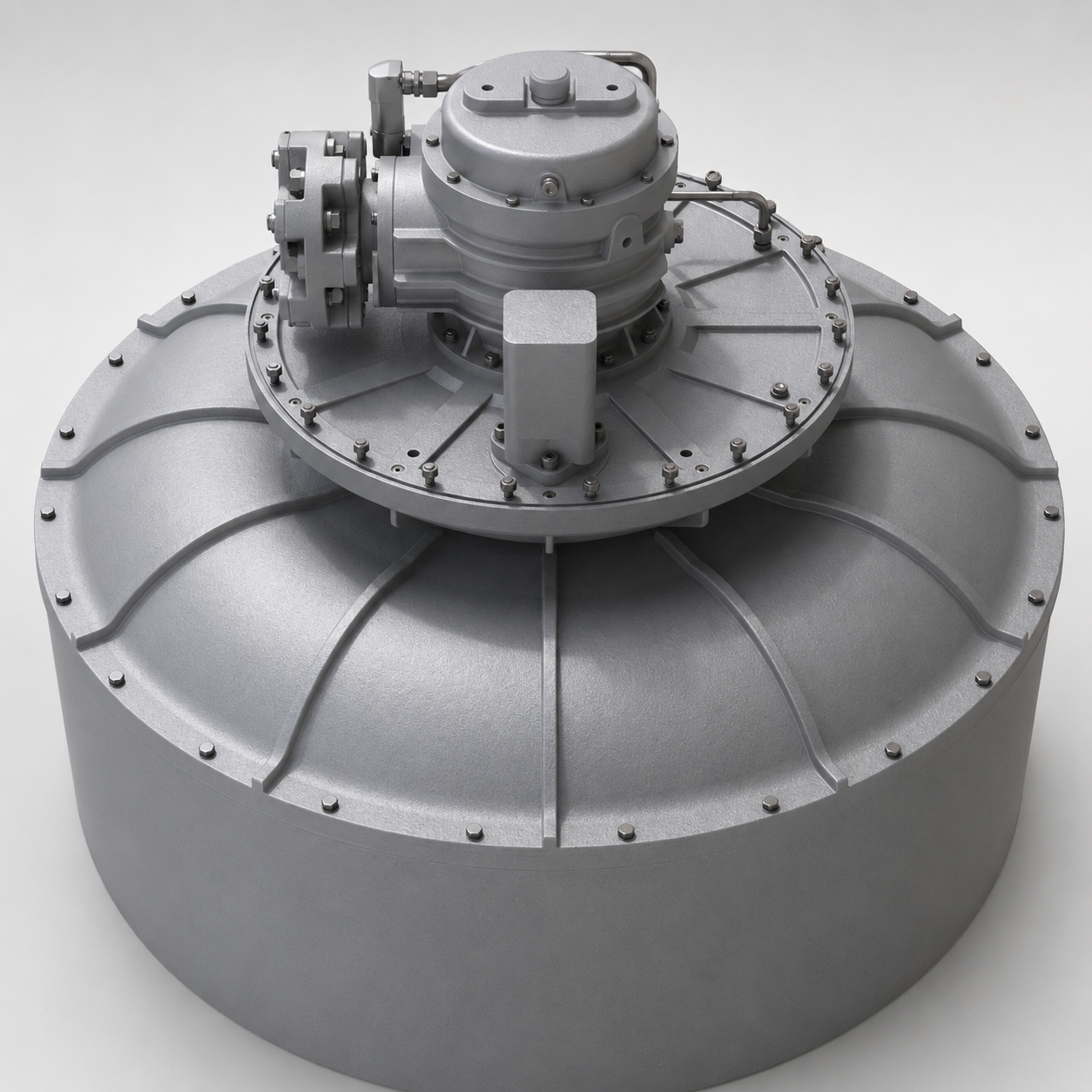
The Pump Jet System combines the main propulsion components within a compact, enclosed architecture. The product is integrated into the vessel structure and remains below the normal waterline during operation.
This arrangement is suitable for commercial vessels operating on repeated routes where acceleration, deceleration, low-speed manoeuvring and frequent docking form an important part of the duty cycle.
Key Advantages
The pump jet architecture is suited to working conditions where controlled thrust and vessel response are more important than maximum transit speed.
The enclosed product geometry supports installation within the vessel structure, helping maintain a clean external hull arrangement.
The main rotating components are located within the pump jet housing, reducing the amount of exposed propulsion equipment beneath the vessel.
Power, unit count and installation arrangement can be selected according to the vessel’s displacement, route and operating requirements.
Typical Applications
Main propulsion for vessels transporting cars and other road vehicles across short or regional routes.
Suitable for ferries combining vehicle-deck capacity with passenger accommodation.
A compact propulsion concept for vessels operating frequent crossings with repeated docking cycles.
Applicable to commercial ferry operations in protected coastal waters, rivers, lakes and harbour areas.
Operating Profile
Pump Jet Systems are particularly relevant to vessels that combine regular service schedules with repeated low-speed operations. Typical duties may include leaving the berth, accelerating under load, maintaining service speed, approaching the terminal and carrying out controlled docking manoeuvres.
The final propulsion arrangement should be selected around the complete operating cycle rather than a single maximum-speed condition.
Configuration and Selection
Product selection should consider vessel dimensions, displacement, loaded condition, required thrust, service speed, route duration, duty cycle and available power.
The final power range, unit count, drive arrangement and hull interfaces are defined according to the vessel project. The propulsion product is normally integrated below the waterline and is therefore not visible in standard exterior vessel photography.
View Application GuidanceProject-specific selection
Share the vessel dimensions, loaded displacement, route profile, target speed and available power to begin defining a suitable Pump Jet configuration.